Nam June Paik / Christian Fennesz
CT101 Depth Study
By: Miranda Palladino
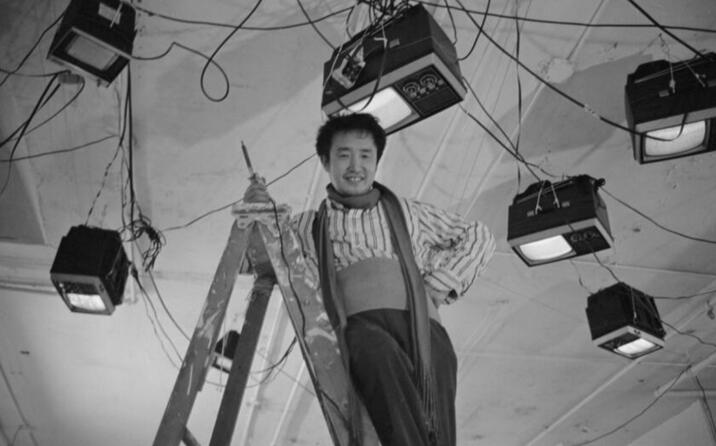
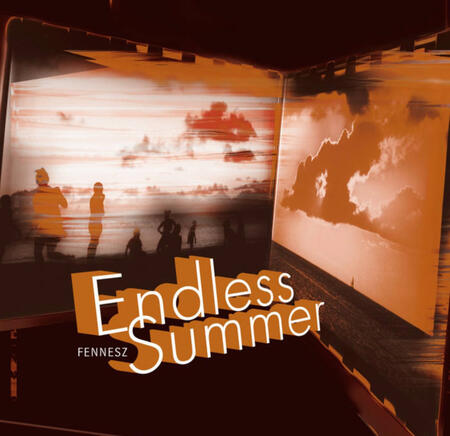
For my Depth Study, I chose to dive into 2 artists that have come up in both my CT classes and Electronic Music classes - "Father of Video Art" Nam June Paik (who pioneered the use of the television in art) and "Father of Laptop Music" Christian Fennesz (who spearheaded live acousmatic live digtal processing and blending acoustic instruments with digital processing).
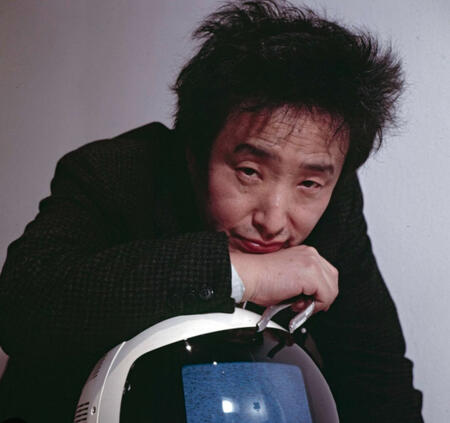
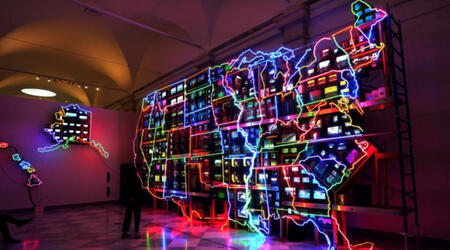
Nam June Paik was monumental to the world of installation, video and media based art. I chose him to focus on for this project because I actually had the privilege of seeing "Electronic Superhighway" at the Smithsonian National Gallery in DC when I was in 16 years old in highschool. It had an immensely profound impact on me, and captivating me far longer than any of my peers for reasons I'm still deciphering today. Emerging in the late 20th century, his artwork focused heavily on experimentation with a newly evolving technologic world and its relationship to life as we knew it prior. Through his work he was able to rewrite and redefine broadcast television and video as an artistic medium that would influence and change the world of new-media art for decades to come.
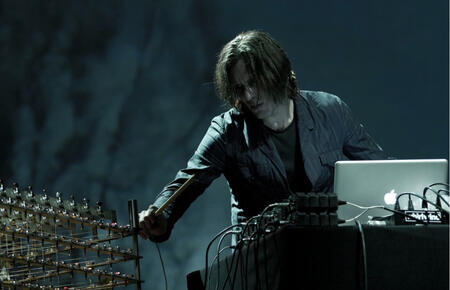
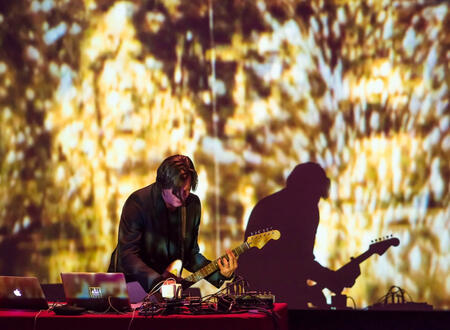
Now, onto Fennesz. For those who do not know the term Laptop Music is a musical term that emerged in the late 90s and early 2000s after a surge of experimental and electronic music practices emerged due to the accessibility, convenience and popularity of The Laptop. This evolved into the style of music itself which is categorized as music that is created, performed and processed primarily on a laptop with minimal live or acoustic instruments. Software included a variety of DAWs (though Fennesz is known for working primarily in Ableton), as well as Max/MSP. Sonically, the compositions can be defined by their unique timbral qualities relating to glitch, clicks, processing errors and physical musical material. Fennesz was an incredibly influential musician in this scene, taking on his own stylistic niche by taking real-live instruments and digitally processing them live in his performances, blending the acoustic and analog world with the and inticing digital, and the endless possibilities that lie between the two.Both artists in their own unique stylistic outlets found ways to integrate and synthesize the digital world with the natural in a way I have found to be deeply inspirational in my own work and practice.